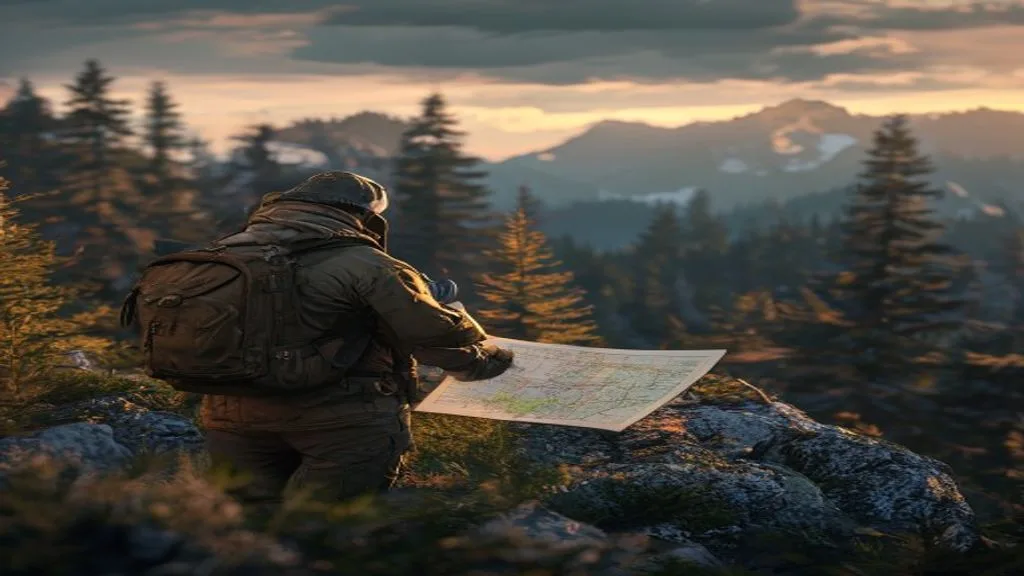
The first time I seriously looked into backcountry hunting, I genuinely did not know what I was getting into. I thought it was just regular hunting — but farther out. Turns out, that’s a dangerously naive way to think about it.
Baca juga: Ketika Berburu Justru Menyelamatkan: Sejarah Konservasi Satwa Liar yang Gue Baru Ngerti
There’s a version of this hobby that people romanticize online: the lone hunter, miles from civilization, packing out an elk through golden-lit timber. What those photos don’t show is the part where things go sideways. A rolled ankle at mile six. A storm that moved in faster than any forecast suggested. A GPS battery that died because nobody thought to bring a backup. I’ve read enough trip reports (and talked to enough people who’ve been out there) to know that backcountry hunting has a very specific way of punishing unpreparedness.
So here’s what I’ve learned — as someone still figuring this out — about the basic backcountry hunting safety tips that actually matter before you go anywhere remote.
Tell Someone. Seriously, Tell Someone.
This sounds obvious. It’s not practiced nearly enough. Before any backcountry trip, you need to leave a detailed trip plan with someone who will actually act on it if you don’t check in. Not just “I’m going hunting near the mountains.” Specific trailhead. Specific dates. What to do if you haven’t called by a certain time. The National Park Service has documented this as one of the most critical components of wilderness safety — and it costs you nothing except five minutes of communication.
A friend of mine skipped this step once. He was fine, thankfully. But he also had no cell signal for three days, and his family spent most of that time genuinely worried. Don’t be that person.
Navigation That Doesn’t Depend on a Battery
I’ll be honest about something: I over-relied on my phone for navigation longer than I should have. It felt fine — until it didn’t feel fine. Cold weather, a long day, a phone that’s already at 40% when you start — that’s a situation that can get uncomfortable fast.
The standard advice is to carry a dedicated GPS device plus a physical topo map and compass. I’d add: actually practice with the map and compass before you need it. There’s a gap between “I own these things” and “I can use these things under stress.” That gap is worth closing at home, not at mile nine in the backcountry.
When I started prepping my gear more seriously, I spent a lot of time on resources like this gear list for guided backcountry hunts — which helped me understand what experienced hunters actually prioritize versus what gets cut when weight matters. Navigation tools were never on the cut list. That told me something.
Weather Is Not Your Friend Out There
Backcountry weather moves differently than town weather. A front that looks mild on the app can hit hard and fast once you’re in elevation. The rule I’ve started following: check the forecast obsessively in the 48 hours before departure, and build a hard turnaround protocol into your plan regardless of how good it looks. If conditions deteriorate beyond a certain point, you go back. No elk is worth hypothermia.
Layering is a topic that fills entire books, so I’ll keep it simple — base layer that wicks moisture, insulating mid-layer, waterproof outer shell. What I personally prefer (and I realize this is just me) is a slightly heavier insulating layer than most people recommend, because I run cold and I’d rather carry a bit more weight than spend a night shivering. Your mileage will vary.
Firearms Safety Gets More Complicated Out Here
In the backcountry, you’re often moving through dense terrain, scrambling over rocks, crossing water. The standard rules — treat every firearm as loaded, keep your finger off the trigger, know what’s beyond your target — all apply, but the physical environment makes them harder to execute consistently. I didn’t fully appreciate this until I started thinking seriously about archery alternatives, which carry their own set of considerations. If you’re curious about that angle, there’s a solid breakdown in this guide on guided archery elk hunting trips that helped me understand the differences in approach.
One practical habit: use a sling, keep your action open or safety engaged when moving through technical terrain, and chamber a round only when you’re in a position to take a shot. It sounds basic. It’s also surprisingly easy to forget when you’re focused on the animal.
Physical Fitness Is a Safety Issue
This is the one people don’t want to hear. Fatigue causes mistakes. Exhausted people make poor navigation decisions, slip on trails, misjudge distances, and skip safety steps because they just want to get back to camp. If you’re planning a serious backcountry hunt, your fitness level is as much a safety variable as your gear list.
I started taking this more seriously after reading about how trophy hunting season schedules are structured — the physical demands shift significantly depending on the time of year, elevation, and terrain. Early season heat versus late season cold and snow are completely different physical challenges. Knowing which conditions you’ll face helps you train for the right things.
The other piece nobody mentions enough: know your personal limits before you’re in a situation that tests them. That means doing weighted hikes before your hunt. Not just walking — loaded pack, varied terrain, enough distance to simulate real conditions. If you can’t do it in training, you probably can’t do it when it counts.
There’s no perfect checklist that makes backcountry hunting entirely safe. That’s just the reality of being far from help in unpredictable terrain. But the difference between a hard trip and a dangerous one is mostly preparation — and preparation is something you actually control. Start there.
Pertanyaan yang Sering Diajukan (FAQ)
What's the most important safety item to bring on a backcountry hunt?
A reliable communication device — whether that's a satellite communicator or a personal locator beacon — is probably the single most important safety item. If something goes wrong miles from the trailhead, your ability to call for help matters more than almost anything else in your pack.
How do I know if I'm physically ready for a backcountry hunt?
A reasonable baseline is completing several weighted hikes (30–50 lbs) over varied terrain before your trip. If you're breathing hard and struggling at hour two on flat ground, a multi-day backcountry hunt in elevation will likely push you past a safe threshold — and fatigue out there is genuinely dangerous.
Is it okay to hunt alone in the backcountry?
Technically yes, but it raises the risk significantly. Solo hunters have no backup if they're injured, and rescue can take much longer. If you do go alone, a satellite communicator is non-negotiable, your trip plan needs to be airtight, and your decision-making thresholds for turning back should be more conservative than they'd be with a partner.