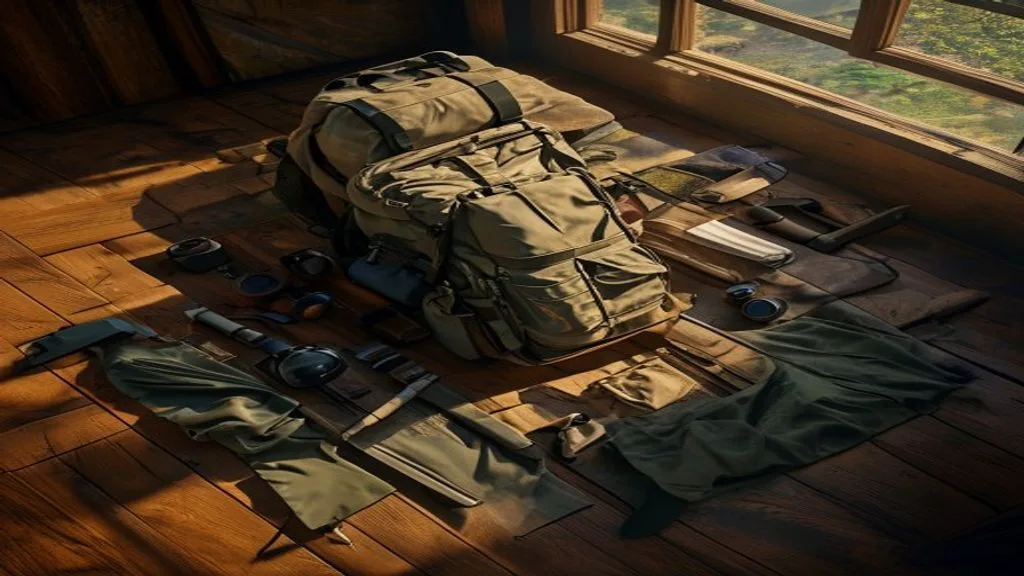
The first time I tried to pack for a week-long hunting trip, I stood in the middle of my bedroom surrounded by three open bags, a pile of gear I barely recognized, and a very specific kind of panic. You know that feeling when you’re packing for a trip and you can’t tell if you’re overpacking or forgetting something critical? This was that, but worse — because forgetting your phone charger at a beach resort is annoying. Forgetting the right gear in the woods is a different category of problem entirely.
I’d been invited by a friend who hunts regularly. He made it sound casual. “Just bring the basics,” he said. The basics. As if I knew what that meant.
So I did what any new person does. I Googled it. Watched videos. Read forums at 1am. And honestly? Most of what I found was either way too technical or too vague to actually help. This is my attempt to do better — to write the thing I wished I could read before I started.
Start With the Obvious (But Don’t Stop There)
The instinct is to think about the gun first. And yeah, that’s part of it — but if you’re newer to the whole world of firearms and wondering what other hunters are actually carrying out there, I found myself going down a rabbit hole about rifles specifically. I stumbled onto this piece about the long range hunting rifles I kept seeing mentioned and it helped me understand the language people were using, even if I wasn’t ready to make any decisions yet.
But back to packing. Here’s what I eventually learned to think about in categories, not just lists.
Shelter and Sleep — Don’t Underestimate This
If you’re camping out in the field, your shelter situation needs to be airtight. Not literally. But close. A tent rated for the conditions you’re actually going into, a sleeping bag that handles temperatures lower than you expect (because the forecast is always optimistic), and a sleeping pad that isn’t just an afterthought.
I personally prefer a mummy-style sleeping bag over the rectangular ones because the warmth-to-weight ratio is genuinely better — and after carrying gear uphill for two hours, every ounce matters. That’s not a generic opinion. I made the mistake of bringing a rectangular bag once. I was cold and I regretted it.
- Tent (freestanding, weather-appropriate)
- Sleeping bag (rated at least 10°F below expected low)
- Sleeping pad or inflatable mat
- Ground tarp or footprint
Clothing Layers — This Is Where People Go Wrong
Not too much. Not too little. The trick is layers that actually work together, not just a pile of clothes you shoved in because you panicked.
Think of it like an onion — and I know that analogy gets used constantly, but it’s accurate. Base layer for moisture. Mid layer for warmth. Outer layer for wind and rain. That’s it. The mistake I made was bringing five heavy sweatshirts and no proper rain jacket. I was damp for three days.
- Moisture-wicking base layers (two sets minimum)
- Insulating mid layer — fleece or down works
- Waterproof outer shell
- Camo or earth-toned outer clothing depending on what you’re hunting
- Wool socks. Multiple pairs. Seriously.
- Gaiters if you’re walking through wet brush
- A warm hat and gloves even in fall — mornings are cold
Navigation and Safety Gear
This is the category where I see people (including past me) cut corners because it feels boring to pack. A compass and a paper map of the area. A GPS device or a phone with offline maps downloaded. A whistle. A headlamp with extra batteries — not just one spare, two.
A first aid kit that’s actually stocked. (I bought a pre-made one and then spent twenty minutes adding things back that were missing — blister pads, more bandages, antiseptic wipes.)
And tell someone where you’re going. This isn’t gear, but it’s part of the preparation. Someone who isn’t on the trip should know your location and your expected return.
Food and Water — Plan for More Than You Think
A week is longer than it sounds when you’re burning calories hiking and hauling gear. I did the math once and realized I was underpacking food by almost 30%. High-calorie, low-weight options work best — jerky, nuts, freeze-dried meals, energy bars. A camp stove if your setup allows it.
Water. Filter or purification tablets for natural sources. A sturdy water bottle and a backup hydration reservoir. You don’t want to be rationing water on day three because you underestimated how much you’d sweat.
Hunting-Specific Gear
This part depends heavily on what you’re hunting and how. If you’re going out with a guide for the first time — which I’d genuinely recommend if you’re new — a lot of the specialty gear question gets answered for you. When I was looking into guided options, I read through some research on finding the best guided elk hunting outfitters and realized that good outfitters will often tell you exactly what to bring and what they provide. That alone removes a huge chunk of packing stress.
If you’re going independently, the general list looks like this:
- Your firearm or bow (properly cased for transport)
- Enough ammunition — more than you think, always
- Binoculars (8×42 is a solid general choice)
- Rangefinder if you’re shooting at distance
- Game bags for field dressing
- Knife set — at least one good skinning knife and one utility blade
- Latex gloves for handling game
- Rope or paracord (multiple uses)
- Scent control items if that matters for your hunt
It’s also worth knowing what type of hunting you’re doing before you pack. I read about crossbow hunting once and realized it has its own specific gear requirements — this breakdown on guided crossbow hunting trips actually opened my eyes to how different the gear list can look compared to rifle hunting.
The Stuff That Doesn’t Fit a Category
A small notebook and pen — for marking locations, logging what you see, whatever. Sunscreen and lip balm even if it doesn’t feel like summer. Hand warmers. A pack of zip ties (trust me). Duct tape wrapped around a water bottle because it takes no space and fixes everything. A dry bag or waterproof stuff sacks for keeping electronics and extra clothing dry.
And cash. Small bills. You never know.
The Packing Order Actually Matters
This is something nobody really explains. Pack heaviest items closest to your back, medium weight in the middle, light and frequently-accessed stuff on top and in outer pockets. It sounds simple but the difference in how your back feels after six miles is real. I packed randomly the first time and I felt every wrong decision by hour two.
Don’t overpack. I know I’ve given you a long list — but editing it down for your specific trip is part of the process. What are you actually hunting? What’s the terrain? How far are you from a vehicle? Those answers change the list significantly.
At the end of the day, figuring out what to pack for a week-long hunting trip is basically like learning a new language. You don’t get it perfectly the first time. But you get better at it — and the second time, you know exactly which items you’re leaving at home.
Pertanyaan yang Sering Diajukan (FAQ)
How many sets of clothing should I bring for a week-long hunting trip?
A good rule of thumb is three to four base layer sets and two mid layers — you can rotate and hand-wash if needed. Don't bring more than you can carry comfortably, but don't go so minimal that you're wearing wet clothes two days in a row.
Do I really need a paper map if I have GPS on my phone?
Yes, honestly. Phones die, lose signal, and get wet. A paper map of the area and a basic compass is a backup that takes almost no space and has saved people from genuinely bad situations — it's one of those things that feels unnecessary until it isn't.
What's the one thing most new hunters forget to pack?
Game bags. People spend so much energy thinking about the hunt that they forget what happens after a successful one — and improvising field care without proper bags is messy and risks spoiling the meat.